Last updated 2026-07-25
TL;DR
"Defensible space crime" isn't a real criminal charge in most states. It's usually a code violation: fines (often $100 to $500 per day in California), a lien on your property, or an insurer using non-compliance to justify non-renewal. The bigger risk is civil liability if an unmaintained property contributes to fire spread that damages a neighbor.
Is there actually a crime called "defensible space crime"?
No, not as a specific statute. People search this phrase because they've gotten a notice, seen a neighbor cited, or watched a home burn and wondered who's on the hook. What actually exists is a patchwork of state and local fire codes that treat defensible space failures as infractions or misdemeanors, enforced through fire departments, not police. In California, Public Resources Code 4291 requires homeowners in State Responsibility Areas to clear and maintain defensible space around structures. Violating it is enforced locally, and penalties usually show up as citations, not arrest warrants. CAL FIRE's own guidance frames this as a defensible space inspection and compliance process, not a criminal investigation. The closest thing to "criminal" exposure comes in two forms: fines that escalate if you ignore repeated notices, and civil liability if your neglected property helps a fire jump to someone else's home. That second one is the real financial nightmare, and it doesn't require a criminal conviction to hurt you. A neighbor's insurer or attorney can go after you in civil court for contributing to their loss, and that case can run for years.
What happens if you don't clear defensible space in California?
You start with a notice, not a fine. Local fire agencies or CAL FIRE inspectors do a defensible space inspection, and if your property fails, you typically get a set window (often 30 days) to fix it before penalties start. After that window, cities and counties have discretion in what they charge. Some jurisdictions cite this as an infraction with fines in the range of $100 to $500, and repeat or willful violations can be charged as a misdemeanor in some counties, which carries higher fines and, rarely, short jail exposure. [Insert your fire district's exact fine schedule here, since this varies by county and even by fire protection district.] If you still don't comply, some jurisdictions place a lien on the property or send a contractor to do the clearing and bill you, sometimes at 1.5x to 2x market rate because it's forced, expedited work. That's the quiet cost nobody warns you about: the $2,000 job you could have done yourself becomes a $4,000 bill attached to your property tax record. The insurance consequence is separate and often bigger. Many carriers now require proof of defensible space compliance before binding or renewing a policy in a high-risk zone, and a documented failure can be cited as grounds for non-renewal under California's current wildfire risk rules [1].
When does the California defensible space law go into effect?
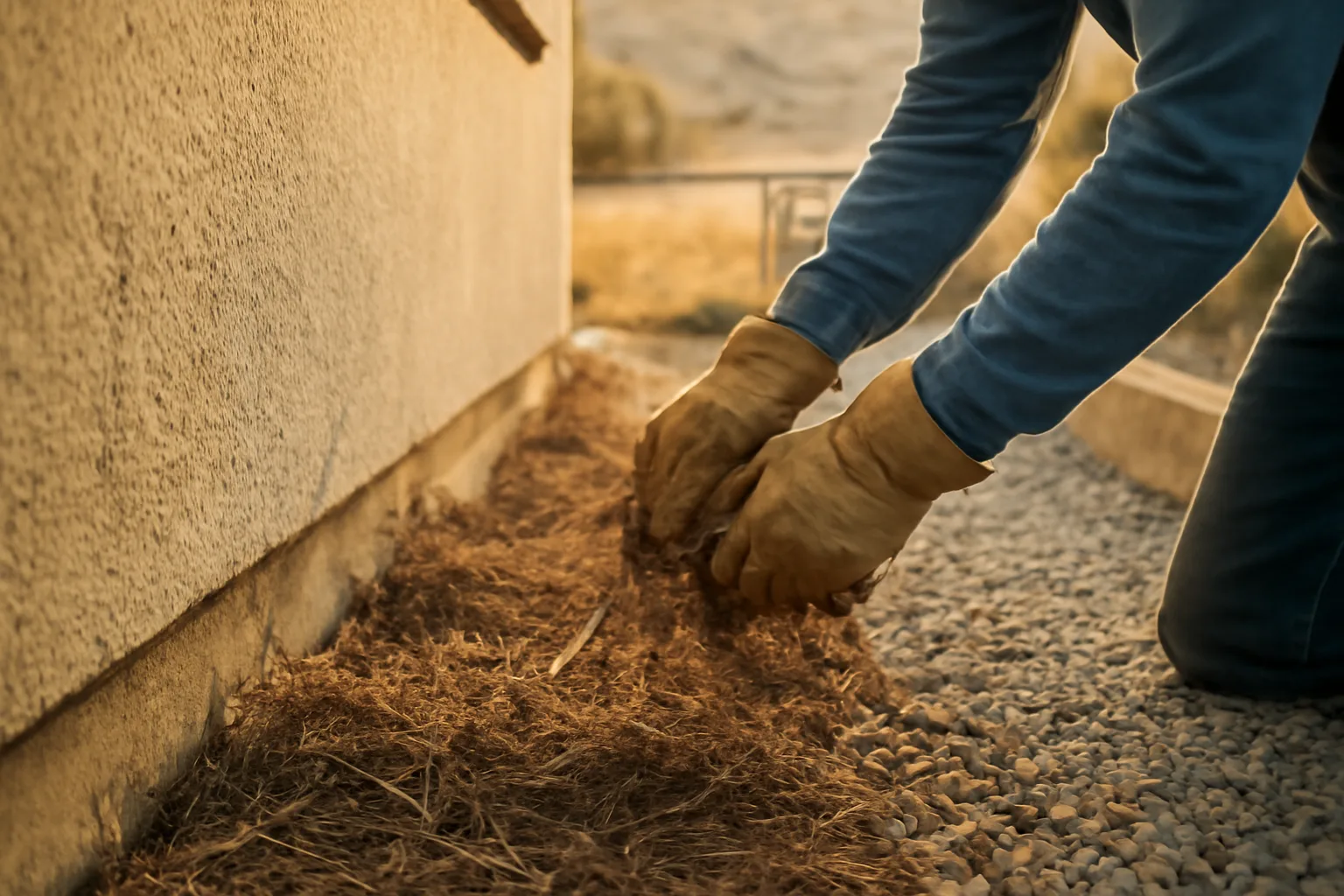
The core law, Public Resources Code 4291, has been in effect for years and currently requires 100 feet of defensible space (or to the property line, whichever is less) around structures in State Responsibility Areas [2]. That's the law that's already enforced today. What's newer, and what most people mean when they ask this question, is California's proposed Zone 0 rule: an ember-resistant zone within 5 feet of structures. The State Board of Forestry and Fire Protection has been developing this regulation under SB 63 (2020) and related legislation, and CAL FIRE's public materials describe an intended effective date around 2026, though the formal rulemaking timeline has shifted more than once [3]. As of now, Zone 0 is not yet a statewide enforced requirement. It has gone through public comment periods and board hearings, and the timeline CAL FIRE has cited publicly points to 2026 for adoption and enforcement, but exact effective dates depend on final regulatory action. [Confirm the current status with your local fire marshal or CAL FIRE unit, since this is a moving target and enforcement start dates can differ by region.] If you're in a high-risk zone, don't wait for Zone 0 to become mandatory. Clearing combustible mulch, removing plants touching your siding, and swapping bark mulch for gravel in that 5-foot ring costs very little now and it's exactly what the rule will require later.
What fire-safe home rules take effect in 2026?
The most talked-about 2026 change is California's Zone 0 ember-resistant zone rule, which would require homeowners in State Responsibility Areas and some Wildland-Urban Interface zones to keep the 5 feet closest to their home free of combustible mulch, dead vegetation, and stored flammable material [3]. CAL FIRE and the Board of Forestry have both referenced 2026 as the target enforcement window in public presentations. Separately, some insurers have been rolling out their own 2026 underwriting requirements ahead of any state mandate, including mandatory brush clearance photos, ember-resistant vent upgrades, and Class A roofing verification before renewal. These aren't government rules, they're carrier-specific, and they vary a lot. [Check with your specific carrier for their 2026 underwriting checklist, since this differs by company and by state.] Oregon, Colorado, and Arizona don't have an equivalent statewide Zone 0 rule as of this writing. Oregon's wildfire risk map and defensible space rules under Senate Bill 762 have had a bumpier rollout, with the original risk map rescinded in 2022 after public pushback, then reworked. If you're outside California, your 2026 deadline is really whatever your local fire district or insurer sets, so this is a genuine guided fill-in: [confirm your state's specific 2026 requirements with your state fire marshal's office]. For home-hardening details that pair with these zone rules, see fire safe landscaping in California next to house.
Why won't people follow the defensible space law in California?
Cost is the biggest one. Clearing 100 feet of defensible space on a sloped, brush-heavy lot can run $1,500 to $6,000+ depending on vegetation density and terrain, and that's not a one-time expense, it's annual maintenance in most climates. For a fixed-income retiree on five acres, that's a real barrier, not laziness. Confusion is the second reason. Zone requirements differ by property size, slope, and local fire district, and homeowners genuinely don't always know what's required where their lot sits. CAL FIRE's own defensible space guidance breaks compliance into Zone 0 (0-5 ft), Zone 1 (5-30 ft), and Zone 2 (30-100 ft), each with different rules for spacing, ladder fuels, and vegetation type. That's a lot to parse for someone who just wants to know if their yard is legal. There's also a trust gap. Some homeowners believe (sometimes correctly, sometimes not) that clearing won't actually stop a fast-moving crown fire in extreme wind conditions, so they deprioritize it. The research doesn't support that fatalism: multiple post-fire assessments, including CAL FIRE's after-action reviews, have found that homes with maintained defensible space and hardened construction survived at meaningfully higher rates than homes without it, even in wind-driven events. But that data doesn't always reach the people who need to hear it. Finally, some people just don't believe enforcement is real until it happens to a neighbor. Once a citation or a lien shows up on someone else's property record nearby, compliance rates in that area tend to jump. Enforcement education, more than fines, moves the needle.
How do you prevent wildfires from starting on your own property?
Most wildfires near homes don't start from lightning, they start from something avoidable: a mower hitting a rock in dry grass, a dragging trailer chain sparking on asphalt, an unattended debris burn, or a poorly maintained power line connection. Ready.gov's wildfire preparedness guidance specifically calls out avoiding outdoor burning on windy or dry days and keeping equipment maintained to reduce spark risk [4]. Practical steps that actually reduce ignition risk: mow before 10am when humidity is higher, keep a shovel and water source nearby during any yard work involving metal tools, never use gas-powered equipment in tall dry grass without clearing a buffer first, and check with your local fire department before any outdoor burning, since burn bans are common during red flag conditions. Electrical and mechanical sources matter too. Old extension cords, overloaded outlets near dry vegetation, and grills placed too close to fences or dry brush all show up repeatedly in cause-of-fire investigations. None of this is glamorous advice, it's just the boring stuff that actually works.
How can homeowners help prevent forest fires and wildfires more broadly?
Beyond your own property, community-level prevention matters more than most people realize. Reporting unattended campfires, following local burn ban announcements, and supporting local fuel-reduction projects (many are volunteer-driven through Firewise USA communities) all reduce regional risk, more than yours. The National Association of State Foresters and CAL FIRE both promote the "only you" framing for a reason: human activity causes the vast majority of wildfires. CAL FIRE data attributes a large share of California wildfire ignitions to human causes (equipment use, campfires, arson, and power infrastructure), not lightning. That means individual behavior change, multiplied across a community, actually shifts regional fire frequency. If you want the bigger-picture version of this, only you can prevent wildfires covers the Smokey Bear-era campaign history and what's actually changed in fire behavior since. For structure-level prevention, defensible space and home hardening are the two levers you control directly, and they're the ones insurers actually check.
How do you prepare for a wildfire if you live in a high-risk zone?
Preparation splits into two buckets: property work and evacuation readiness. Ready.gov recommends building a go-bag with medications, documents, and supplies for at least three days, and having a family communication and evacuation plan established before fire season, not during it [4]. On the property side, defensible space is the foundation, but it's not the whole picture. Ember-resistant vents, a Class A fire-rated roof, and removing anything flammable within 5 feet of the structure matter as much as brush clearance, because most home ignitions during wildfires come from wind-blown embers landing on or near the structure, not from direct flame contact. CAL FIRE's structure survival research has repeatedly pointed to this ember exposure pathway as the dominant cause of home loss in wildland-urban interface fires. Documentation matters too, and this is the part people skip until it's too late. Before fire season, photograph your home's exterior, your defensible space zones, your roof, and any hardening upgrades you've made. If you ever need to show an insurer or adjuster what your property looked like pre-loss, or push back on a non-renewal decision, dated photos are your strongest evidence. This is exactly the gap our $99 Wildfire Insurance Survival Kit is built to close: a structured way to document your defensible space work, home-hardening upgrades, and property condition so you have your own record, independent of what an insurer claims they inspected. We don't negotiate with insurers or file claims for you. You prepare the documentation, you send it, you keep the upper hand.
Is Santa Barbara safe from fire risk?
No California coastal city is "safe" from wildfire risk in an absolute sense, and Santa Barbara County has a long, well-documented history of major fires, including the 1990 Painted Cave Fire and the 2017 Thomas Fire, which at the time was the largest wildfire in modern California history until it was surpassed [5]. The Thomas Fire burned over 281,000 acres and led directly to the deadly Montecito debris flow in January 2018. Santa Barbara's risk comes from a specific combination: steep chaparral-covered foothills, Santa Ana/sundowner wind events that can push fire downslope at high speed, and a wildland-urban interface where dense neighborhoods sit right against undeveloped hillside. CAL FIRE's Fire Hazard Severity Zone maps classify significant portions of the Santa Barbara foothills and surrounding unincorporated areas as Very High severity zones . That doesn't mean every Santa Barbara property faces equal risk. A home in a Very High zone against open hillside faces a fundamentally different exposure than a condo downtown near the harbor. Check your specific address against CAL FIRE's Fire Hazard Severity Zone viewer rather than relying on the city's general reputation, since risk varies block by block, more than city by city .
What's the civil liability risk if your property contributes to a fire?
This is the sharpest edge of "defensible space crime" and it's civil, not criminal. If a fire starts or spreads because of neglected vegetation, debris piles, or equipment misuse on your property, and it damages a neighbor's home, you can be sued for negligence. California courts have allowed such claims where a property owner's failure to maintain reasonable fire safety conditions contributed to loss, though outcomes depend heavily on specific facts and local statutes of limitation. Insurance complicates this further. If your homeowner's policy excludes or limits liability coverage for wildfire-related claims (some do, depending on state and carrier), you could be personally exposed for damages that exceed your policy limits. This is a genuine area where you want an actual attorney's read on your specific policy language and state law, not a blog post. [Confirm your liability coverage limits and wildfire-specific exclusions with your insurance agent directly.] The practical takeaway: defensible space isn't just about your house surviving. It's about not being the reason a neighbor's house didn't.
How does defensible space compliance actually get enforced?
Enforcement almost always starts with an inspection, either a routine one during fire season or one triggered by a complaint. CAL FIRE and local fire districts conduct defensible space inspections in State Responsibility Areas, and the specific process (notice period, re-inspection timeline, fine schedule) is set locally. [Insert your specific fire district's inspection and appeal process here, since this varies significantly by county.] Some counties use a graduated system: first notice is educational with a compliance deadline, second notice adds a fine, and continued non-compliance triggers either a forced abatement (county clears it and bills you) or referral to code enforcement for misdemeanor charges. Other counties move faster to fines. There's no single statewide enforcement schedule, which is part of why this topic causes so much confusion. For a broader comparison of how defensible space and clearing obligations differ across states, including contractor-based clearing programs like wildfire defensible space clearing contracts in Washington State DNR, it helps to see that California's approach (homeowner self-compliance with fire district enforcement) is just one model among several. Oregon and Washington lean more heavily on state forestry agency involvement for larger or rural parcels.
What should you actually do this fire season?
Start with the free stuff: identify your defensible space zones (0-5, 5-30, 30-100 feet) using CAL FIRE's guidance, walk your property, and clear the obvious stuff first, dead vegetation touching the house, mulch against siding, anything stacked under a deck. This costs a weekend, not thousands of dollars. Then prioritize by ignition pathway, not by what looks messiest. Embers cause most home losses in wildfires, so vents, roof condition, and the 5-foot zone around the structure matter more than that overgrown tree line 80 feet out, even though the tree line looks scarier. Fix the close stuff first. Finally, document everything as you go. Take dated photos before and after clearing work, keep receipts for any contractor work, and build a simple record you can hand to an insurer, an adjuster, or your own file if you ever face a non-renewal notice or a claim dispute. If a house fire or wildfire does hit your area, that documentation is the difference between a fast claims conversation and a fight. See our related coverage on house fire documentation and what to do when a fire hits a house near you, plus our overview of defensible space fundamentals if you're starting from zero.
Frequently asked questions
When does the California defensible space law go into effect?
The core defensible space law (Public Resources Code 4291, 100 feet of clearance) is already in effect and has been for years. The newer Zone 0 ember-resistant zone rule (5 feet around structures) is targeted for around 2026 per CAL FIRE and Board of Forestry materials, but final adoption and enforcement dates have shifted before. Confirm current status with your local fire marshal.
Why won't people follow the defensible space law in California?
Mainly cost (clearing can run $1,500 to $6,000+ and needs annual upkeep), confusion over zone-specific rules, and doubt that clearing helps in extreme wind-driven fires. CAL FIRE data shows homes with maintained defensible space and hardening survive at higher rates even in severe fires, but that message doesn't always reach homeowners before enforcement does.
How do I prevent wildfires from starting on my own property?
Avoid outdoor burning on dry or windy days, mow before 10am when humidity is higher, keep equipment maintained to reduce sparks, and clear a buffer before using gas-powered tools in dry grass. Ready.gov specifically flags equipment sparks and unattended burning as common, preventable ignition sources.
How do I prepare for a wildfire if I'm in a high-risk zone?
Build a go-bag with medications and documents for at least three days (Ready.gov's standard), set a family evacuation plan, clear defensible space zones, and harden ember-entry points like vents and roofing. Photograph your property before fire season so you have dated proof of its condition.
How can we prevent forest fires at a community level?
Report unattended campfires, follow local burn bans, support Firewise USA or similar community fuel-reduction programs, and push for consistent local enforcement of defensible space rules. CAL FIRE attributes most wildfire ignitions to human activity, so community-wide behavior change measurably reduces regional fire frequency.
What fire-safe home rules take effect in 2026?
California's Zone 0 ember-resistant zone rule (5 feet of non-combustible clearance around structures) is the headline 2026 target, though exact enforcement dates aren't finalized. Separately, some insurers are adding their own 2026 underwriting requirements for vents, roofing, and brush clearance ahead of any state mandate. Check both your state fire marshal and your carrier.
Is Santa Barbara safe from fire?
No area of Santa Barbara County is fully safe from wildfire risk. The county has a long history of major fires including the 2017 Thomas Fire, and CAL FIRE classifies large parts of the foothills as Very High Fire Hazard Severity Zones. Risk varies block by block, so check your specific address on CAL FIRE's hazard zone viewer.
Can you get fined for not clearing defensible space in California?
Yes. After a failed inspection and a compliance window (often around 30 days), local jurisdictions can issue citations, commonly in the $100 to $500 range per violation, with some counties escalating to misdemeanor charges for repeat non-compliance. Exact fine schedules are set locally, so check with your fire district.
Is failing to maintain defensible space a criminal offense?
Usually it's an infraction, not a criminal offense, though some counties can escalate repeat or willful violations to misdemeanor charges. The bigger real-world risk is civil liability if neglected vegetation contributes to fire spreading to a neighbor's property, which can result in a negligence lawsuit separate from any fire code citation.
What's the difference between Zone 0, Zone 1, and Zone 2 in defensible space rules?
Under CAL FIRE guidance, Zone 0 is 0-5 feet from the structure (ember-resistant, minimal combustibles), Zone 1 is 5-30 feet (reduced fuel, spaced vegetation), and Zone 2 is 30-100 feet (fuel reduction and ladder fuel removal). Requirements and enforcement details can vary by local fire district.
Does defensible space actually stop wildfires?
Defensible space doesn't stop a wildfire from advancing, but it reduces the chance a home ignites when fire or embers reach the property. CAL FIRE's post-fire assessments have repeatedly found homes with maintained defensible space and hardened construction survive at notably higher rates than unmaintained homes in the same fire event.
Can my insurer drop me for not having defensible space?
Yes, non-compliance with defensible space requirements can be cited by insurers as grounds for non-renewal in high-risk zones, particularly in California where wildfire risk underwriting has tightened. Requirements and enforcement vary by carrier, so confirm your specific policy's inspection and compliance requirements directly with your insurer.
What happens if a fire spreads from my property to a neighbor's?
You could face a civil negligence lawsuit if a court finds your failure to maintain reasonable fire safety (like clearing defensible space) contributed to the spread. This is separate from any fire code citation and depends heavily on specific facts, state law, and your liability insurance coverage. Consult an attorney for guidance specific to your situation.
Sources
- California Department of Insurance, Wildfire Risk and Insurance: Insurer non-renewal practices tied to wildfire risk and defensible space compliance in California
- California Public Resources Code Section 4291: 100 feet of defensible space clearance requirement around structures in State Responsibility Areas
- California Board of Forestry and Fire Protection, Zone 0 rulemaking: Zone 0 ember-resistant zone regulation development and target 2026 timeline
- CAL FIRE, Thomas Fire Incident Information: Thomas Fire (2017) burned over 281,000 acres in Santa Barbara and Ventura counties
- CAL FIRE, Fire Hazard Severity Zone Maps: Fire Hazard Severity Zone classifications including Very High zones near Santa Barbara foothills