Last updated 2026-07-25
TL;DR
Wildfire mitigation discounts exist in some states (California's Safer From Wildfires program, Oregon's defensible space credits) but most insurers don't advertise fixed percentages. The real lever is documentation: defensible space photos, Wildfire Prepared Home certification, and roofing/vent upgrades. No discount guarantees reinstatement after non-renewal.
Do insurance companies actually give discounts for wildfire mitigation?
Some do, and some just use mitigation to decide whether to renew you at all, which matters more than any discount. California is the clearest example. In 2022, the California Department of Insurance adopted the "Safer from Wildfires" regulation, which requires insurers to recognize specific mitigation actions in their rating and underwriting, things like a Class A roof, ember-resistant vents, and defensible space zones around the home [1]. The regulation doesn't set a single statewide discount percentage. Instead it requires each insurer to file its own discount schedule with the state, so a State Farm policyholder in Paradise and a Mercury policyholder in Malibu could see different numbers for identical mitigation work. Oregon's approach is similar in spirit but runs through its own defensible space and home hardening code (adopted under SB 762) rather than a discount mandate [2]. Colorado has pushed insurers toward wildfire mitigation credits through legislation but, like California, leaves the exact percentage to the carrier's own filed rate plan [3]. The honest answer: there is no universal "20% off your premium" number you can bank on. If your agent can't tell you the exact filed discount for your specific policy form, that's normal. Ask them to pull the wildfire mitigation discount schedule for your policy specifically, not a general answer.
What is the Safer from Wildfires program and how does it work?
Safer from Wildfires is the regulation number 10 CCR § 2644.9 that California's Department of Insurance finalized in December 2022, requiring insurers writing homeowners policies in the state to give credit, discount, or otherwise account for wildfire safety actions at three levels: individual home hardening, neighborhood-level Firewise USA recognition, and community-wide mitigation [1]. At the home level, insurers must recognize things like a Class A fire-rated roof, ember- and flame-resistant vents, and defensible space maintained per Public Resources Code 4291 (zone 0 within 5 feet of structures, zone 1 out to 30 feet, zone 2 out to 100 feet). At the neighborhood level, homes in a recognized Firewise USA community can qualify for additional credit. Insurers had to submit compliance filings to the CDI, and enforcement has been uneven, some carriers filed quickly, others took over a year. Separately, the Insurance Institute for Business & Home Safety runs the Wildfire Prepared Home certification program, which is a private, third-party standard (not a state mandate) that some insurers reference informally when underwriting, even though it isn't required under Safer from Wildfires. Getting Wildfire Prepared Home certified costs a few hundred dollars for the assessment plus whatever hardening work you still need to do, and IBHS publishes the technical requirements publicly if you want to self-assess first.
When does the California defensible space law go into effect?
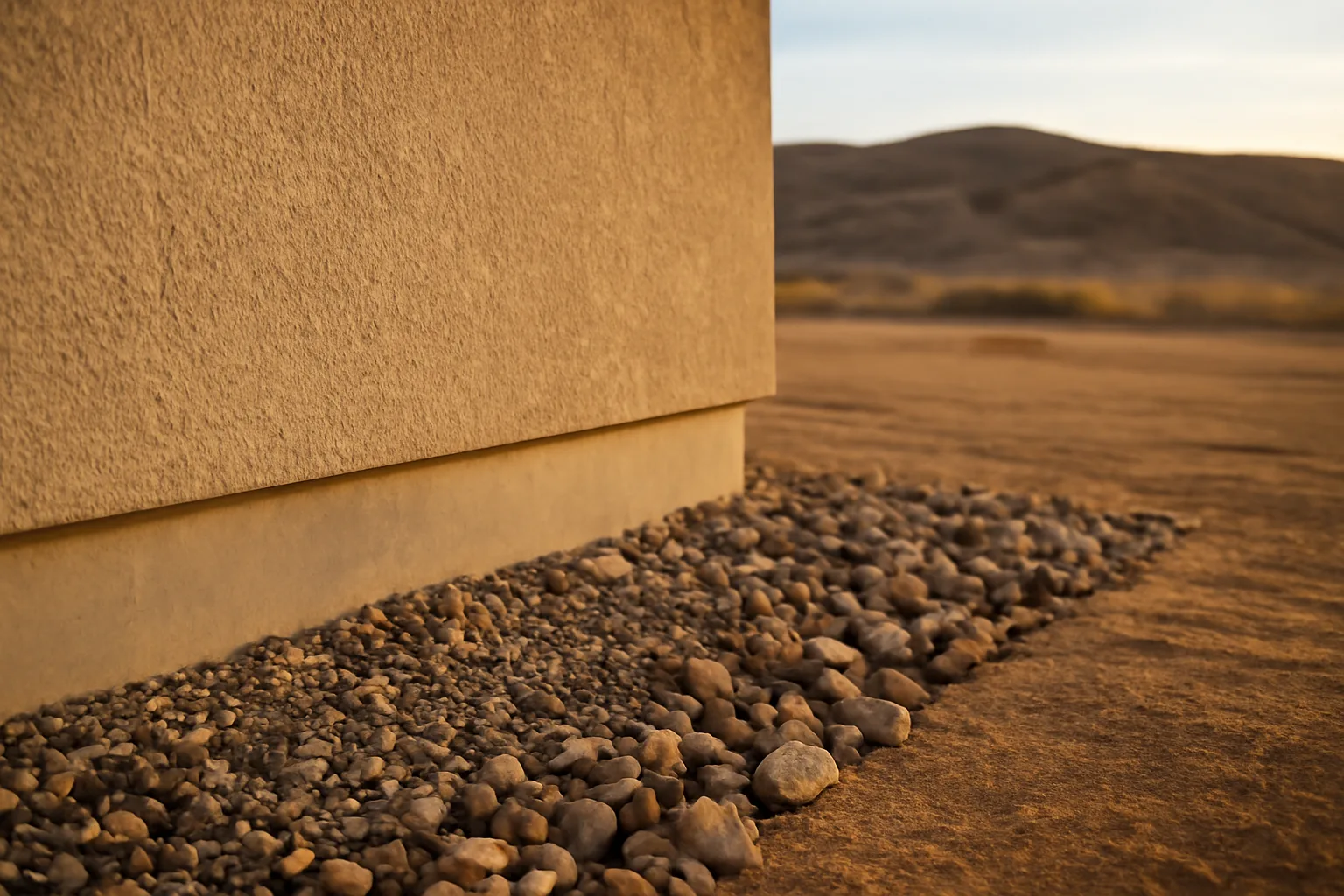
The core defensible space requirement, Public Resources Code 4291, has been law in California since long before the current wave of non-renewals; it currently requires 100 feet of defensible space clearance around structures in State Responsibility Areas and in some Local Responsible Areas with a local ordinance, out to the property line. What's changing is the addition of a new "ember-resistant zone," also called Zone 0, within 5 feet of the structure. CAL FIRE and the Board of Forestry have been developing Zone 0 regulations under Assembly Bill 3074 (2020), which directed the state to define ember-resistant zone standards. As of this writing, the Board of Forestry has not finalized the Zone 0 regulation as enforceable law; CAL FIRE's public guidance describes Zone 0 as recommended best practice (bare mineral soil, hardscape, or gravel within 5 feet, no combustible mulch, no wood fencing attached to the house) while the formal regulatory language works through rulemaking. Homeowners in wildfire-prone counties should treat Zone 0 as something insurers and inspectors are already looking for, even where it isn't yet a citable violation. Because implementation dates move and vary by county rulemaking calendars, check your specific fire district's current defensible space ordinance timeline: [enter your county fire authority or CAL FIRE unit here] and confirm the effective date directly with them before you budget renovation work around a specific deadline.
What fire safety rules take effect in 2026?
There is no single nationwide "2026 wildfire law." What's actually happening is a patchwork of state-level rulemaking, some of which has target dates in the mid-2020s, and homeowners keep conflating them into one deadline. In California, the Zone 0 ember-resistant zone regulation has been in the Board of Forestry's rulemaking pipeline since AB 3074 passed in 2020; various drafts have floated 2023, 2025, and later effective dates for new construction versus existing homes, and the Board's own public meeting notices are the only reliable source for the current timeline. Insurers, however, are not waiting for the regulation to finalize: many are already asking about Zone 0 conditions on inspection forms today. Colorado's wildfire mitigation insurance disclosure requirements (from SB 21-284 and later legislation) have phased in over several years, with insurers required to provide clearer explanations of wildfire risk scores and mitigation credit opportunities [3]. Oregon's SB 762 defensible space code adoption has also moved on its own multi-year schedule tied to the state's wildfire hazard map process, which itself was revised after public pushback in 2022 and re-released with updated methodology in 2023 [2]. Bottom line: if you saw a headline about "fire safety rules taking effect in 2026," it's almost certainly referring to one of these state-specific rulemaking tracks, not a single federal standard. Confirm the actual document and effective date with your state fire marshal's office rather than trusting the year alone.
Why won't people follow the defensible space law in California?
Cost, confusion, and enforcement gaps are the three real reasons, and none of them are about people not caring. Cost is the biggest one. Clearing 100 feet of vegetation on a sloped, oak-covered lot easily runs $3,000 to $15,000 depending on terrain and vegetation density, and that's not a one-time expense, it needs redoing every year as brush regrows. For homeowners already facing a non-renewal notice and a spiked insurance quote, finding several thousand dollars for tree work competes directly with the mortgage. Confusion is real too. Zone boundaries, what counts as "flammable vegetation," and how the rules interact with local ordinances (some counties add stricter requirements on top of the state minimum) genuinely differ from one fire district to the next, and CAL FIRE's own defensible space guidance says to check with your local fire department for specifics beyond the state minimum. Enforcement is inconsistent. CAL FIRE conducts defensible space inspections in State Responsibility Areas, and failure to comply can result in a citation, but the volume of parcels vastly outweighs inspector capacity in many units, so plenty of properties go years without an inspection. That doesn't mean skip it. It means the discount and non-renewal risk from your insurer often arrives before any citation would.
How do I prepare for a wildfire as a homeowner?
Preparation splits into three timeframes: what you do this month, what you do every fire season, and what you keep ready to grab in ten minutes. This month: clear the 5-foot ember-resistant zone around your foundation (remove mulch, move firewood stacks, clear dead leaves from gutters), confirm your address numbers are visible from the road for responding crews, and check that your roof vents have ember-resistant mesh (1/8 inch or finer, per CAL FIRE's home hardening guidance). Every fire season: redo the 30-foot and 100-foot defensible space zones as vegetation regrows, trim tree limbs to 10 feet from chimneys and 6 feet from the ground in the outer zone, and walk your roof and deck for pine needle buildup after any windy week. Ready in ten minutes: Ready.gov recommends every household have a go-bag with medications, copies of insurance documents, phone chargers, and a battery radio, plus a written evacuation plan with two routes out of the neighborhood in case one road is blocked [4]. This is also where having your insurance policy, a home inventory, and mitigation photos already organized saves real time and stress when a notice arrives; it's one of the reasons we built the Wildfire Insurance Survival Kit, a $99 one-time document set that helps you organize the defensible space photos, inspection records, and claim-prep paperwork insurers and adjusters actually ask for. It doesn't file anything or contact your insurer for you; you send your own documentation.
How can homeowners help prevent wildfires from starting?
Most wildfires near homes don't start from lightning, they start from human activity, which means individual choices matter more than people assume. Roughly 85% of wildfires in the United States are caused by humans, according to the National Interagency Fire Center's cause data cited by the U.S. Forest Service [5]. The highest-leverage things a homeowner controls: never leave a campfire or debris burn unattended, avoid mowing or using power equipment on dry grass during red flag warning days (a hot mower blade or dragging trailer chain is a common ignition source), keep vehicles off dry grass where a hot exhaust system can ignite it, and maintain any outdoor equipment (chainsaws, grills, generators) away from dry vegetation. At the property level, defensible space isn't really about "preventing" the fire from starting, it's about surviving the fire once it arrives, by reducing fuel that lets embers catch and spread to your structure. CAL FIRE's public messaging (the "Ready, Set, Go" and "One Less Spark" campaigns) frames both goals together: reduce ignition sources, and harden your property against embers that travel from fires you didn't start [6]. If you want the mechanics of how zone-based clearing actually protects a structure, our guide on defensible space clearing contracts walks through how Washington DNR structures cost-share programs, and the general approach applies conceptually across states even where funding differs.
Is Santa Barbara safe from fire? What about other California coastal areas?
No coastal California community is "safe" from wildfire risk in the way people mean when they ask; Santa Barbara County has had some of the state's most destructive fire history, including the 2017 Thomas Fire (which burned over 281,000 acres and was, at the time, the largest wildfire in modern California history) followed by the January 2018 Montecito debris flow that killed 23 people, a disaster directly caused by the burned, denuded hillsides above town [7]. What's changed since then: Santa Barbara County and the city have invested in earlier evacuation warning systems, expanded defensible space inspection programs, and CAL FIRE's San Luis Obispo/Santa Barbara unit maintains active fuel reduction projects in the foothill wildland-urban interface. None of that eliminates the risk; it lowers the odds and buys response time. If you're evaluating whether a specific neighborhood is "safe," the more useful question is what CAL FIRE's Fire Hazard Severity Zone maps show for that exact parcel; these maps (updated periodically by CAL FIRE for State Responsibility Areas and by local governments for Local Responsible Areas) classify land into moderate, high, and very high hazard zones and are the same maps insurers increasingly reference . Check your specific address on CAL FIRE's public FHSZ viewer rather than relying on a city or county's general reputation.
How to prevent forest fires vs. how to protect your home: what's the difference?
These are two different jobs and conflating them wastes effort. Forest fire prevention is about reducing ignition sources and fuel loads at a landscape scale, prescribed burns, fuel breaks, power line maintenance, campfire restrictions. That's largely the job of land management agencies (U.S. Forest Service, CAL FIRE, BLM) and, at the margins, individual behavior (see the ignition-source list above). Home protection is about surviving a fire that's already coming, regardless of where it started. This is where defensible space zones, ember-resistant vents, Class A roofing, and non-combustible siding all matter. IBHS research after major wildfires (including post-fire damage assessments from the 2018 Camp Fire and 2020 California fire season) consistently found that home ignition often comes from wind-blown embers landing on debris, mulch, or in vents near the structure, not from direct flame contact with the main fire front. That's why Zone 0 (the 5-foot ember zone) gets so much attention in current rulemaking: it's addressing the actual failure mode, more than the dramatic one. Practically: if you only have budget for one category of work this year, home hardening (vents, roof, gutters, Zone 0) usually protects your specific structure more per dollar than extending defensible space clearing further out, though both matter and insurers increasingly want to see both documented.
What actually gets documented for a mitigation discount or renewal appeal?
Insurers and inspectors want dated, specific evidence, not a general claim that "we did the work." The strongest documentation package includes: dated photos of all three defensible space zones (0 to 5 feet, 5 to 30 feet, 30 to 100 feet) taken from consistent angles so before/after comparison is possible, receipts or contractor invoices for vegetation removal and vent replacement, a copy of any CAL FIRE or local fire department defensible space inspection report if you've had one, and, where applicable, a Wildfire Prepared Home certificate from IBHS. Many fire districts also issue a defensible space compliance certificate or inspection checklist after a voluntary inspection; ask your local fire department if this is available in your district, since requirements and paperwork format vary: [enter your fire district's defensible space inspection program details here]. When you're appealing a non-renewal specifically (rather than seeking a discount on an active policy), the documentation burden is higher: insurers generally want to see that the conditions that triggered the non-renewal (often overgrown vegetation, wood shake roofing, or proximity to unmaintained wildland fuel) have been directly remediated, with dated proof. This is exactly the gap the Wildfire Insurance Survival Kit is built to help homeowners organize; it's a document-preparation tool, not a negotiation service. We don't file appeals, talk to your insurer, or promise a specific outcome, you assemble the record and send it yourself.
How do defensible space requirements differ by state?
| California | 100 ft clearance (PRC 4291), Zone 0 (5 ft) in active rulemaking | ||
|---|---|---|---|
| Oregon | Defensible space code under SB 762, tied to statewide wildfire risk map | [2] | |
| Colorado | County/local ordinances vary; SB 21-284 governs insurer disclosure, not a single statewide clearance number | [3] | |
| Washington | DNR-administered cost-share and clearing programs, county-level ordinances | see below | Washington doesn't have one statewide defensible space statute in the way California does; instead, the Department of Natural Resources runs grant and cost-share programs for fuel reduction, and specifics depend on your county and DNR region. Our guide to wildfire defensible space clearing contracts through Washington DNR breaks down how those programs actually work if you're in that state. Because your specific fire district's rules govern what actually gets enforced or credited, confirm the exact clearance distances and inspection cadence with your local authority: [enter your county/fire district defensible space ordinance link here]. |
Requirements vary meaningfully by state and even by fire district within a state, so treat any single number as a starting point, not your local rule. | State | Core defensible space rule | Key citation |
What should I do first if I got a non-renewal or inspection letter?
Read the letter for the specific reason cited, don't assume. Non-renewal letters in California are required under Insurance Code § 678 to state the reason for non-renewal, and that reason (overgrown vegetation, roof type, distance to wildland fuel) tells you exactly what to remediate first . Second, photograph the current condition of your property in all directions before you do any work, so you have a documented "before" state. Third, address the cited issue specifically rather than doing general yard cleanup; if the letter cites a wood shake roof, no amount of tree trimming fixes that. Fourth, contact your local fire department or CAL FIRE unit about a defensible space inspection if you haven't had one recently; a passed inspection report is some of the strongest documentation you can send back to an insurer or use in an appeal. Fifth, understand what you're not required to do alone: you are not required to handle the insurer conversation by yourself, and if the situation feels overwhelming, a licensed public adjuster (which we are not) can represent you in claims and negotiations. For general reference on how home fires and total-loss situations get documented afterward, see our explainer on house fire documentation basics, and for defensible-space plant selection specifically, see fire safe landscaping next to the house.
Frequently asked questions
When does the California defensible space law go into effect?
The core 100-foot defensible space rule (Public Resources Code 4291) is already in effect and has been for years. The newer Zone 0 (5-foot ember-resistant zone) requirement, developed under AB 3074, is still moving through Board of Forestry rulemaking as of this writing; check the Board's current meeting agendas for the finalized effective date.
Why won't people follow the defensible space law in California?
Mainly cost (clearing can run $3,000 to $15,000+ and needs annual redoing), confusion over zone boundaries and local variations, and inconsistent enforcement since CAL FIRE inspector capacity can't cover every parcel in State Responsibility Areas each year.
How do I prevent wildfires from starting near my home?
Never leave campfires or debris burns unattended, avoid mowing dry grass on red flag days, keep vehicles off dry vegetation, and maintain outdoor equipment away from fuel. About 85% of U.S. wildfires are human-caused, per National Interagency Fire Center data cited by the U.S. Forest Service.
How do I prepare for a wildfire this season?
Clear the 5-foot ember zone around your foundation, confirm ember-resistant vent mesh, redo defensible space zones as brush regrows, and keep a go-bag ready with medications, insurance documents, and chargers per Ready.gov guidance. Also organize your insurance paperwork and mitigation photos before, not after, a notice arrives.
How can we prevent forest fires at the community level?
Community-level prevention relies on land management agencies doing prescribed burns, fuel breaks, and power line maintenance, combined with residents following campfire and equipment restrictions during fire season. Firewise USA neighborhood recognition also formalizes community-wide mitigation and can factor into insurer credits in some states.
What fire safety rules take effect in 2026?
There's no single nationwide 2026 rule. California's Zone 0 ember-resistant zone regulation has moved through Board of Forestry rulemaking with shifting target dates; Colorado and Oregon have their own phased wildfire mitigation and disclosure laws. Confirm exact effective dates with your state fire marshal, not a general year.
Is Santa Barbara safe from fire?
No California wildland-urban interface community is fully safe from fire risk. Santa Barbara County had the 2017 Thomas Fire (281,000+ acres) and the deadly 2018 Montecito debris flow. Check CAL FIRE's Fire Hazard Severity Zone map for your specific address rather than relying on the area's general reputation.
Do insurance companies give discounts for defensible space or home hardening?
Some do. California's Safer from Wildfires regulation (10 CCR 2644.9) requires insurers to credit specific mitigation actions, but each insurer files its own discount schedule, so amounts vary by carrier and policy. Ask your agent for the filed wildfire mitigation discount schedule specific to your policy.
What is Zone 0 and is it required yet?
Zone 0 is the 5-foot ember-resistant zone immediately around a structure, recommended by CAL FIRE (bare mineral soil, hardscape, no combustible mulch or attached wood fencing). It is not yet a finalized enforceable statewide regulation as of this writing; it's in Board of Forestry rulemaking under AB 3074.
How much does defensible space clearing typically cost?
Costs vary widely by lot size, slope, and vegetation density, but clearing 100 feet around a home on a brushy or sloped lot commonly runs $3,000 to $15,000 for the initial clearing, with lower annual maintenance costs afterward. Get local quotes since terrain and vegetation type drive most of the variation.
What documentation do insurers want to see for mitigation credit or a non-renewal appeal?
Dated photos of all three defensible space zones, contractor receipts for vegetation removal or vent/roof upgrades, any fire department defensible space inspection report, and (where relevant) an IBHS Wildfire Prepared Home certificate. Specificity and dates matter more than a general description of work done.
Does getting Wildfire Prepared Home certified guarantee an insurance discount?
No. Wildfire Prepared Home is a third-party IBHS certification some insurers reference informally, but it isn't a state mandate and doesn't guarantee a specific discount or reinstatement. Check with your specific insurer whether they recognize it and what credit, if any, they apply.
What's the difference between forest fire prevention and home hardening?
Forest fire prevention reduces ignition sources and fuel at a landscape scale (prescribed burns, campfire rules, power line maintenance), mostly the job of agencies like CAL FIRE and the U.S. Forest Service. Home hardening protects your specific structure from embers once a fire is already burning nearby, through vents, roofing, and Zone 0 clearing.
Sources
- California Department of Insurance, Safer from Wildfires regulation: California requires insurers to recognize specific wildfire mitigation actions in rating and underwriting
- Colorado Division of Insurance, wildfire mitigation legislation: Colorado requires insurer disclosure around wildfire risk scores and mitigation credit opportunities
- California Public Resources Code Section 4291: California requires 100 feet of defensible space clearance around structures in State Responsibility Areas
- USDA Forest Service, wildfire causes: Roughly 85% of wildfires in the United States are human-caused
- CAL FIRE, Ready Set Go and wildfire prevention campaigns: CAL FIRE's public campaigns combine ignition prevention messaging with home hardening against embers
- CAL FIRE, Fire Hazard Severity Zone maps: CAL FIRE maintains Fire Hazard Severity Zone maps classifying land into moderate, high, and very high hazard categories
- California Insurance Code Section 678: California non-renewal notices are required to state the specific reason for non-renewal