Last updated 2026-07-25
TL;DR
A wildfire mitigation program is a structured plan, usually built around defensible space zones and home hardening, that reduces your property's fire risk and creates documentation insurers ask for. California's Zone 0 ember-resistant rule is still in rulemaking, not yet enforceable as of mid-2026. Start with the 5-foot zone around your house and your own inspection photos.
What is a wildfire mitigation program, exactly?
A wildfire mitigation program is any organized effort, run by a state agency, a fire district, or a homeowner, to reduce the odds that a structure burns and to reduce fire intensity around it. At the state level it usually means defensible space law plus a home hardening standard. At the homeowner level, it means a written plan: what zones you've cleared, what materials you've replaced, what's left to do, and proof of all of it. CAL FIRE defines defensible space as "the buffer you create between a building on your property and the grass, trees, shrubs, or any wildland area that surrounds it". The stated goal is to slow or stop the spread of wildfire and to protect firefighters working near the home. That's the core of nearly every state program in the West, even where the zone distances or paperwork differ. Colorado, Oregon, and Arizona all run some version of this through state forestry agencies rather than a single fire code, so the specifics vary by county or fire district. Oregon's statewide wildfire risk map and defensible space code (Senate Bill 762, 2021) pushed local rule-making down to the county and fire marshal level [1]. If you're in a district with its own supplemental defensible-space ordinance, that local rule controls in addition to state minimums. [FILL IN: check your county or fire district's specific defensible space ordinance and inspection contact.]
When does the California defensible space law go into effect?
California's core defensible space law, Public Resources Code 4291, has been in effect for decades and currently requires 100 feet of defensible space (or to the property line, whichever is less) around structures in State Responsibility Areas and some Local Responsibility Areas designated as Very High Fire Hazard Severity Zones [2]. That part is not new and is already enforceable. What's not yet in effect is the "Zone 0" ember-resistant zone, the 0-to-5-foot area immediately around the structure. The California Board of Forestry and Fire Protection has been in formal rulemaking on this since a 2023-2024 proposal, and as of mid-2026 the regulation has not been finalized or given a hard compliance date [3]. Various news cycles and legislative statements have floated 2025 or later effective dates, which is part of why homeowners are confused. The honest answer: check the Board of Forestry's current rulemaking status page before you assume a deadline, because it has moved more than once [3]. Until Zone 0 is final, CAL FIRE's existing guidance for the area within 5 feet of a home is not legally mandatory statewide, but the agency already recommends noncombustible material, no mulch, no stored wood, and spaced-out low plants in that zone as best practice. Treat it as a preview of what's coming, not a current legal requirement, unless your local jurisdiction has already adopted something similar.
What fire safe rules for homes take effect in 2026?
There is no single nationwide "2026 fire code" homeowners should expect. What's actually happening in 2026 is incremental: California's Zone 0 rulemaking is still moving through the Board of Forestry process, some insurers are adjusting their own underwriting standards ahead of any state mandate, and a few local jurisdictions are adopting stricter defensible space or roofing ordinances independent of the state timeline. The practical move for a homeowner is to stop waiting on a specific date and start meeting the strictest plausible standard now: Class A fire-rated roofing, ember-resistant vents, and a noncombustible 5-foot zone. CAL FIRE's home hardening guidance already lists these as the priority items regardless of what Zone 0's final compliance date turns out to be [4]. If a mandate lands later, you'll already be compliant instead of scrambling. [FILL IN: note your specific fire district's or county's 2026 building or vegetation ordinance updates, if any, here.]
How do defensible space zones actually work?
| Zone 0 (proposed, not yet mandatory statewide) | 0-5 ft | Noncombustible materials, no mulch or stored wood [3] | |
|---|---|---|---|
| Zone 1 | 5-30 ft | Remove dead vegetation, space tree canopies 10 ft apart | |
| Zone 2 | 30-100 ft | Cut grass to 4 inches, remove fallen debris regularly | A lot of homeowners assume Zone 2 barely matters because it's far from the house. It matters plenty. Embers travel well past 100 feet in wind-driven fires, and unmanaged Zone 2 vegetation is fuel that carries fire toward the house even if it doesn't touch it directly. For plant selection details by zone, see fire safe landscaping California next to house. |
CAL FIRE splits the required 100 feet into two zones. Zone 1 runs from the structure out to 30 feet and requires removing dead plants, dead branches, and leaves, and keeping tree canopies at least 10 feet apart. Zone 2 runs from 30 to 100 feet and allows more vegetation but still requires cutting annual grass down to 4 inches and clearing accumulated dead plant material. Here's a fair breakdown of the zones as CAL FIRE currently defines them: | Zone | Distance from structure | Core requirement |
Why won't people follow the defensible space law in California?
Cost and confusion are the two honest reasons, not laziness. Clearing 100 feet on a sloped, heavily wooded lot can run into the thousands of dollars, and many homeowners on fixed incomes or in rural areas simply don't have contractors nearby who do this work at a reasonable price. CAL FIRE and county fire departments have acknowledged the compliance rate is uneven, which is part of why some counties run defensible space inspection and enforcement programs with warnings before citations rather than immediate fines. There's also a real disagreement, in some communities, about whether 100 feet actually changes outcomes on a specific lot, especially where neighbors haven't cleared their own land and embers can still travel from an unmanaged property next door. Defensible space on one lot helps that lot, but it doesn't fully protect a house if the whole block hasn't done the same work. That's a legitimate frustration, even though the data on defensible space reducing structure loss is solid at the individual-property level. Finally, people confuse voluntary best practice with legal requirement, especially around Zone 0, and assume nothing is required until the exact rule is finalized. That's backwards: PRC 4291's 100-foot requirement is already enforceable now, in SRA and VHFHSZ areas, regardless of what happens with Zone 0 [2].
How do I prevent wildfires around my own home?
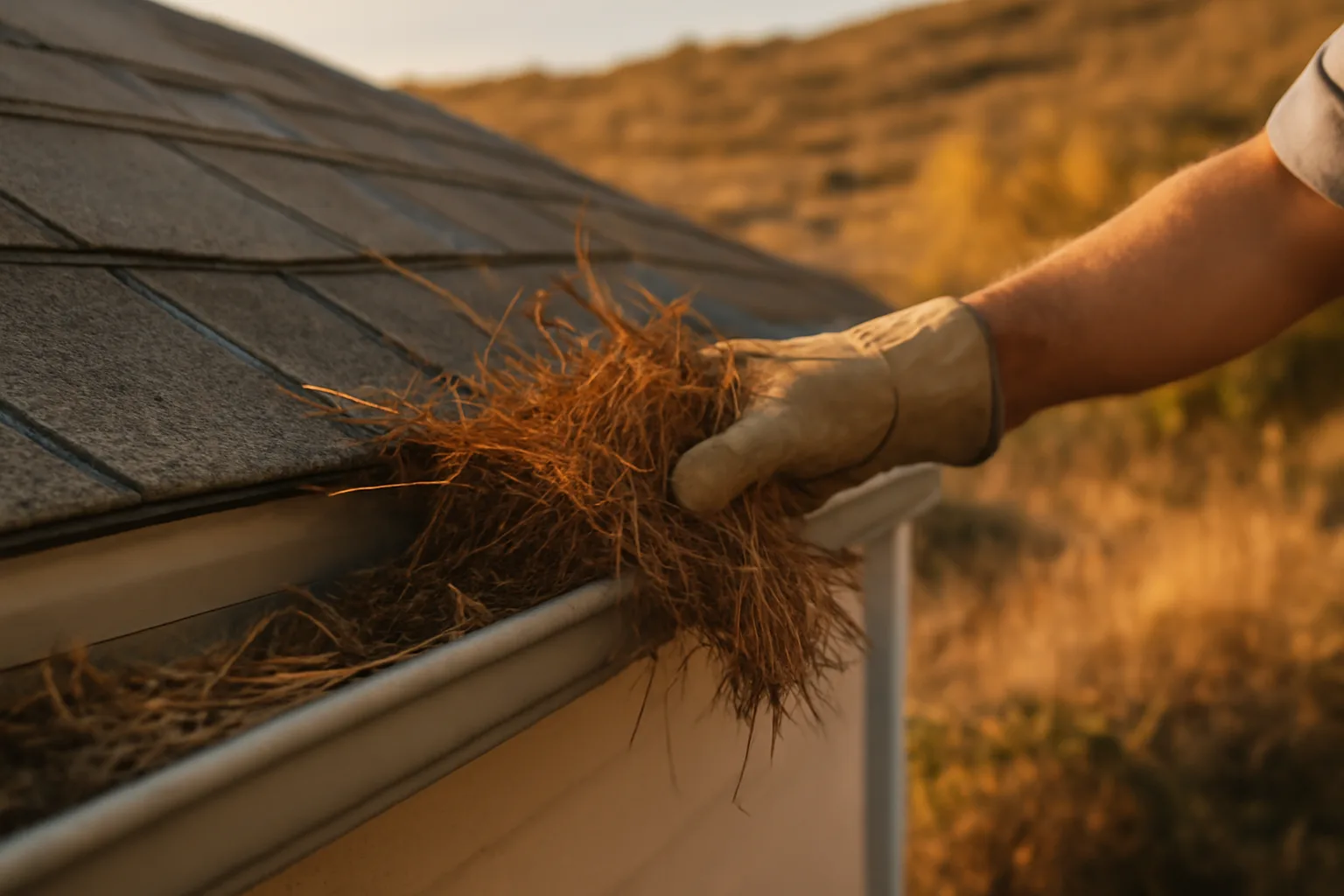
You can't prevent a wildfire from starting somewhere else, but you can dramatically cut the odds your specific structure ignites once fire or embers reach your property. That's the actual, honest scope of "prevention" at the homeowner level: reducing ignition points, not stopping fires. The highest-leverage moves, in rough order of cost-effectiveness: clear the 5-foot zone of anything combustible (mulch, stored firewood, dry plants), install ember-resistant vents, and clean gutters and roof valleys of pine needles and leaves before fire season. CAL FIRE's home ignition zone research consistently points to embers, not direct flame contact, as the dominant way homes ignite in wildfires [4]. A house can survive a wall of fire passing 50 feet away and still burn down because embers got into an open attic vent. Outside your lot line, actual fire prevention (as opposed to home survival) means not starting fires: no debris burning on red flag days, properly extinguishing campfires, keeping equipment like chainsaws and mowers away from dry grass during peak heat, and reporting unattended fires immediately. Ready.gov's wildfire page frames this as year-round behavior, more than a fire-season checklist. For a broader look at hardening the structure itself, see defensible.
How do I prepare for a wildfire if I get evacuation orders?
Preparing for a wildfire means having your evacuation plan, go-bag, and home documentation ready before a fire starts, not while smoke is visible on the ridge. Ready.gov recommends building a family communication plan, a go-bag with medications and documents, and knowing at least two evacuation routes out of your neighborhood. On the documentation side, the single biggest thing homeowners skip is photographing the home's exterior, roof, and defensible space work before a fire, dated and organized. If your home is damaged or destroyed, this is what supports your own claim paperwork later; if you're facing non-renewal, this is what you send an insurer to argue your risk profile is better than a wildfire-risk model assumes. Insurers and their models often work off satellite imagery or generic zone data that can be a year or more out of date, so your own current photos matter. CAL FIRE also recommends keeping your defensible space maintained year-round, more than before an inspection, since compliance can be checked at any point during fire season. A quick seasonal checklist: clear gutters, mow dry grass, restock your go-bag, confirm your evacuation routes still work given any new road closures or construction nearby.
How do I prevent forest fires when I'm out on public land?
Preventing forest fires away from your own property comes down to a short list of behaviors that account for the overwhelming majority of human-caused ignitions: campfires, debris burning, equipment use, and fireworks. The U.S. Forest Service and CAL FIRE both point to human activity as the cause of a large majority of wildfires nationally, though the exact percentage varies by year and by state. The practical rules: never leave a campfire unattended, drown it, stir it, and drown it again until it's cold to the touch. Don't park vehicles or run equipment over dry grass, since hot exhaust and catalytic converters ignite grass fires regularly. Avoid burning debris on windy or red flag warning days, and check with your local fire department or fire district about local burn permit rules and any seasonal burn bans before lighting anything intentionally. [FILL IN: link to your specific fire district's current burn permit and red flag warning status page.] Ready.gov also recommends reporting any unattended or suspicious fire immediately to 911 rather than assuming someone else already has. In dry, windy conditions a small ignored fire can grow into something uncontrollable within minutes.
How do I avoid forest fires and reduce my personal risk exposure?
Avoiding forest fires as a resident, rather than a visitor to public land, mostly means choosing where and how you live relative to fuel. If you're already in a Very High Fire Hazard Severity Zone, you can't change your location easily, but you can change how much fuel surrounds your structure and how ember-resistant the structure itself is. The two things that move the needle most, based on CAL FIRE's home hardening priorities, are the roof and the vents [4]. A Class A fire-rated roof and ember-resistant, mesh-covered vents address the two most common ways embers get inside a structure and ignite it from within, which is a different failure mode than direct flame contact. If you're budgeting hardening work over several years, do these two before landscaping, not after. On the awareness side, sign up for your county's emergency alert system and check red flag warning status during peak season (typically late summer through fall in California, though timing varies by region and by year's precipitation pattern). Being able to leave early, before roads clog, is itself a form of avoiding harm even if it doesn't prevent the fire.
How do I prepare for forest fires as a homeowner near wildland?
Preparing for forest fires near your property means treating your defensible space zones as an ongoing maintenance task, not a one-time project you finish and forget. Grass regrows, trees drop needles, and mulch piles back up within a season, so what passed inspection in spring can be out of compliance by late summer. Set a recurring calendar reminder, not a hope: clear Zone 1 (5 to 30 feet) of dead material every spring and again mid-summer if your area gets a lot of growth. Check Zone 2 (30 to 100 feet) at least once before peak fire season. Keep your go-bag current, since medications and documents expire or go out of date. Photograph your property from multiple angles each season; this becomes your evidence trail if you're ever contesting an insurer's risk assessment or documenting damage after a fire. This is where a lot of homeowners find it useful to have a single organized kit rather than scattered notes and phone photos. DefensibleHome's $99 one-time Wildfire Insurance Survival Kit (available at /survival-kit-builder) is built around exactly this: a structured way to document your defensible space work, hardening upgrades, and property photos in the format insurers and adjusters actually want to see. It doesn't contact your insurer or file anything on your behalf; it just helps you build the paperwork you'd otherwise have to figure out from scratch.
Is Santa Barbara safe from fire?
No coastal California city, including Santa Barbara, is "safe" from wildfire in any absolute sense, and the record backs that up. Santa Barbara County has had multiple major destructive fires in the last two decades, including the 2017 Thomas Fire, which at the time was the largest wildfire in modern California history by acreage, and the debris flow that followed in January 2018 killed 23 people in Montecito, just southeast of the city [5]. Parts of Santa Barbara and unincorporated Santa Barbara County sit within CAL FIRE's Very High Fire Hazard Severity Zone designation, particularly in the foothill and wildland-urban interface areas above the city . If your property is in one of those zones, PRC 4291's 100-foot defensible space requirement already applies to you, and you should assume ongoing fire risk rather than treat any single quiet year as evidence the risk has passed. Check your specific address against CAL FIRE's Fire Hazard Severity Zone viewer rather than relying on general reputation about the area; hazard zones can vary block by block depending on slope, vegetation, and distance to wildland .
How can we prevent forest fires as a community, more than individually?
Community-level prevention works differently than individual homeowner action, because embers and fire behavior don't respect property lines. A single homeowner with perfect defensible space next to five neighbors with none is still at meaningful risk, since wind-driven embers and radiant heat from a neighboring structure fire can ignite a well-prepared home anyway. The practical community moves: coordinate defensible space clearing with neighbors on shared property lines and easements, support or participate in local Firewise USA programs (a National Fire Protection Association initiative that helps neighborhoods organize collective mitigation work), and push for consistent enforcement of local defensible space ordinances rather than assuming individual compliance is enough. Some fire districts also run chipper days or cost-share programs for vegetation removal, which lowers the cost barrier that keeps many households from complying in the first place. [FILL IN: note whether your fire district participates in Firewise USA or runs a chipper day/cost-share program, with contact info.] For the mechanics of getting contractor help with clearing work, see wildfire defensible space clearing contracts Washington State DNR, which walks through how state-supported clearing contracts work in one Western state and is a useful comparison model even outside Washington.
What should I document for insurance before wildfire season starts?
Document your defensible space compliance, your home hardening upgrades, and dated exterior photos before your insurer's next renewal review or inspection, not after you've received a non-renewal notice. If you're already facing non-renewal, the same documentation is what you'd send to argue your risk profile has improved since the insurer's last assessment. At minimum: dated, wide-angle photos showing all four sides of the house and the full 100-foot perimeter where applicable, close-up photos of your roof material and vents, and any receipts or before/after photos from hardening work like vent replacement or roof upgrades. Keep a simple log noting when you last cleared Zone 1 and Zone 2 vegetation. None of this guarantees reinstatement or a rate change, since insurers make their own underwriting decisions, but it gives you a real basis to communicate your actual risk rather than the generic model score they may be relying on. A reminder on scope: this kind of documentation work is something you do yourself and send directly to your insurer or agent. It is not the same as filing a claim or handling coverage disputes, which would require a licensed public adjuster or attorney if you needed that kind of representation. For related reading on structure-level fire risk more broadly, see house fire and fire at a house, and for the broader messaging campaign around individual responsibility, only you can prevent wildfires.
Frequently asked questions
When does the California defensible space law go into effect?
The core 100-foot defensible space requirement under Public Resources Code 4291 is already in effect and has been for years in State Responsibility Areas and Very High Fire Hazard Severity Zones. The newer "Zone 0" 5-foot ember-resistant zone rule is still in Board of Forestry rulemaking as of mid-2026 and has no finalized statewide compliance date yet.[3][4]
Why won't people follow the defensible space law in California?
Cost of clearing large lots, confusion between voluntary best practice and legal requirement, and doubt that individual compliance matters when neighboring properties aren't cleared are the main reasons. Enforcement also varies by county, with many departments issuing warnings before citations, which reduces urgency for some homeowners.[1]
How do I prevent wildfires around my house?
Clear the 5-foot zone of mulch, dry plants, and stored wood, install ember-resistant vents, keep gutters and roof valleys free of debris, and maintain Zone 1 (5-30 ft) and Zone 2 (30-100 ft) per CAL FIRE guidance. Embers, not direct flame, cause most home ignitions, so vent and roof upgrades matter as much as landscaping.[1][5]
How do I prepare for a wildfire evacuation?
Build a go-bag with medications and important documents, identify at least two evacuation routes, set up a family communication plan, and sign up for local emergency alerts. Ready.gov recommends doing this before fire season starts rather than when evacuation orders are already active.[6]
How do I prevent forest fires when camping or working outdoors?
Fully extinguish campfires (drown, stir, drown again until cold), avoid running vehicles or equipment over dry grass, don't burn debris on windy or red flag days, and check local burn permit rules before lighting anything. Report unattended fires to 911 immediately rather than assuming someone else has.
How can we prevent forest fires as a community?
Coordinate defensible space clearing across shared property lines, join or start a Firewise USA program through the National Fire Protection Association, and support local chipper day or cost-share programs that lower the cost barrier to clearing. Individual compliance helps less if neighboring properties remain unmanaged, so coordination matters.
What fire safe rules for homes take effect in 2026?
No single nationwide 2026 fire code exists. California's Zone 0 ember-resistant zone rule is still in Board of Forestry rulemaking without a finalized date. The safest approach is meeting the strictest plausible standard now: Class A roofing, ember-resistant vents, and a noncombustible 5-foot zone, regardless of exact mandate timing.[4][5]
Is Santa Barbara safe from fire?
No. Santa Barbara County has had major destructive fires, including the 2017 Thomas Fire and the subsequent Montecito debris flow that killed 23 people in January 2018. Parts of the city and surrounding county are within CAL FIRE's Very High Fire Hazard Severity Zone, so ongoing risk should be assumed, not dismissed based on quiet years.[7][8]
What are CAL FIRE's defensible space zones?
Zone 0 (0-5 ft, proposed, not yet mandatory statewide) calls for noncombustible materials near the structure. Zone 1 (5-30 ft) requires removing dead vegetation and spacing tree canopies 10 feet apart. Zone 2 (30-100 ft) requires cutting grass to 4 inches and clearing fallen debris regularly.[1][4]
Does defensible space actually reduce home loss in wildfires?
CAL FIRE and fire behavior research consistently link cleared, well-maintained defensible space to lower structure ignition rates, largely because it reduces the fuel available to carry fire or embers to the home. It doesn't guarantee survival, especially with extreme wind-driven fires, but it materially improves the odds and gives firefighters safer access to defend the structure.[1]
Who enforces defensible space compliance in California?
Local fire departments and CAL FIRE conduct defensible space inspections in State Responsibility Areas and some Local Responsibility Areas, often starting with a warning notice before any citation. Enforcement intensity varies significantly by county and by fire district, which is part of why compliance rates aren't uniform statewide.[1]
What's the difference between home hardening and defensible space?
Defensible space is vegetation and fuel management around the structure, organized into zones out to 100 feet. Home hardening is upgrading the structure itself, roofing, vents, siding, windows, so it resists ember ignition even if some fuel remains nearby. CAL FIRE recommends doing both, since neither fully substitutes for the other.[1][5]
Can I get insurance reinstated by doing defensible space work?
Documented defensible space and hardening work can support your case when communicating with an insurer, but no homeowner action guarantees reinstatement or a rate change since insurers make independent underwriting decisions. Keep dated photos and records of the work and send them directly to your insurer or agent yourself; that documentation is not a substitute for a licensed public adjuster if you need formal representation.
Sources
- Oregon Legislature, Senate Bill 762 (2021): Oregon's 2021 wildfire risk mapping and defensible space rulemaking framework
- California Public Resources Code Section 4291: 100-foot defensible space requirement around structures in SRA and VHFHSZ areas
- California Board of Forestry and Fire Protection, Zone 0 Rulemaking: Zone 0 ember-resistant zone rule is still in rulemaking without a finalized statewide compliance date
- CAL FIRE, Home Hardening: Roof and vent upgrades as top home hardening priorities and embers as the primary home ignition source
- CAL FIRE, Fire Hazard Severity Zone Viewer: Portions of Santa Barbara County are designated Very High Fire Hazard Severity Zone